The WWF is run at a local level by the following offices...
- WWF Global
- Adria
- Argentina
- Armenia
- AsiaPacific
- Australia
- Austria
- Azerbaijan
- Belgium
- Bhutan
- Bolivia
- Borneo
- Brazil
- Bulgaria
- Cambodia
- Cameroon
- Canada
- Caucasus
- Central African Republic
- Central America
- Central Asia
- Chile
- China
- Colombia
- Croatia
- Democratic Republic of the Congo
- Denmark
- Ecuador
- European Policy Office
- Finland

WWF Africa Adaptation Strategy vision is an Africa where people and nature have enhanced capacity and resources to adapt to climate change. Learn more.

The WWF Africa Adaptation Hub is part of WWF Africa Regional Initiatives and the Climate and Energy Practice area of competence on climate adaptation.
The WWF Africa Adaptation Hub aims to accelerate quality and impactful work in Africa, to build the resilience of people and nature to climate change. Download the AAH Fact Sheet.
The Africa Adaptation Hub plays a leading role in delivering Nature Based Solutions (NbS) for the climate adaptation component in the climate solutions outcomes of the WWF Africa Conservation Framework, and actively contributes to the WWF 2030 Roadmap. Read WWF Africa's Conservation Framework 2021-2025.


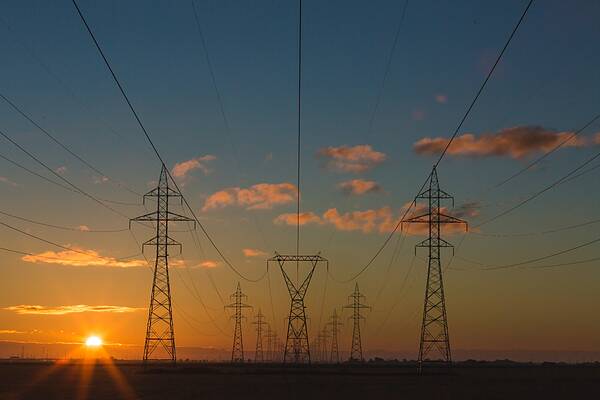
Adaptation To Climate Change Is More Urgent Than Ever

Leaving close to 300 million people at risk of micronutrient deficiencies.
This could increase to 50 – 86 million people at 2.5°C global warming.

This leaves an annual adaptation finance gap of US$284–339 bn (2023 prices).
Source: UNEP Adaptation Gap Report 2025

Source: Seeding Hope Report 2024
The Africa Adaptation Hub
 |
Acting as a knowledge and learning hub for WWF, Civil Society Organizations (CSOs) and Africa stakeholders:Coaching, mentoring, training, guidance development, updating the latest development on adaptation, building evidence-based information on climate adaptation, connecting existing learning hubs in Africa, setting up regional CCA database and monitoring, leading cross-learning and sharing across Africa on adaptation. |
 |
Strengthening Africa’s engagement in the climate policy arena & Africa climate ambition:By boosting the role of nature, through an Africa Adapts coalition made up of: Pan-African institutions, regional CSOs and marginalised groups including women and youth organisations. |
 |
Building strong regional partnerships and supporting resource mobilisation on adaptation:Facilitate the partnerships and resource mobilisation with regional and global players, as well as WWF networks. Unlocking adaptation finance and supporting proposal project development through improved and innovative funding models. |
 |
Promoting large scale implementation of transformational climate adaptation initiatives:By acting as an incubator and accelerator of innovative and transformative Nature Based Solutions for climate adaptation, and providing the enabling technical, policy, research and financial frameworks. |

In October 2025, the Africa Adaptation Hub convened a three-day strategy workshop in Nairobi with 33 participants from 13 Country & National Offices, two transboundary land/seascapes, four regional initiatives, and the Regional Office for Africa. Participants refined the draft AAH 2026–2030 Strategy, aligning it with WWF's 2030 Roadmap and translating insights into an actionable regional adaptation pathway for WWF in Africa. The strategy will be operational in 2026.
-
Climate Change Vulnerability Assessments for 263 Protected Areas across sub-Saharan Africa
-
WWF Africa Adaptation Online Course for Africa staff and partners (English & French)
-
WWF Africa NbS for Adaptation Workshop and Conference (Malindi, Kenya, 2023). Workshop participants came from seven countries (Read the Workshop Newsletter | Conference Newsletter)
-
Regional Capacity Building Workshops (2024 and 2025):
-
KAZA & GVL landscapes: Workshop on conflict-sensitive and gender-responsive Nature-based Solutions (NbS) for adaptation in Zimbabwe, engaging 55 participants (27 women and 28 men) including WWF staff, partners from CAPA project implementation sites, CSOs, government officials (mainly protected area managers), and the IISD CAPA coordination team across both landscapes.
-
South West Indian Ocean (SWIO) Seascape: Workshop on NbS, Ecosystem-based Adaptation (EbA), and Disaster Risk Reduction (DRR) for 28 WWF staff and CSO partners (13 women and 15 men) in Madagascar, resulting in a shared roadmap integrating climate adaptation and DRR priorities into the SWIO strategic framework.
-
Voices for Just Climate Action (VCA): Training (organized by WWF Kenya and AAH) for 64 participants (31 women and 33 men) comprising WWF staff and CSO partners from five countries (Kenya, Uganda, Madagascar, Tanzania, and Somalia) on NbS for adaptation in Kenya that aimed to strengthen more impactful NbS adaptation work in the VCA programme.
-
Mozambique: Capacity building workshop for 46 participants (12 women and 34 men) including government officials, CSO representatives, and WWF Mozambique staff on climate-smart management approaches in Momambique, equipping them with the essential tools to update the Local Adaptation Plan (LAP) for Govuro district (2025-2034), which was validated and launched in December 2024.
-
Madagascar: Learning workshop for 61 participants (16 women and 45 men) from WWF Madagascar Country Office in November 2025 on climate change adaptation and disaster risk disaster approaches to support the office new strategy implementation (2026-2030).
-
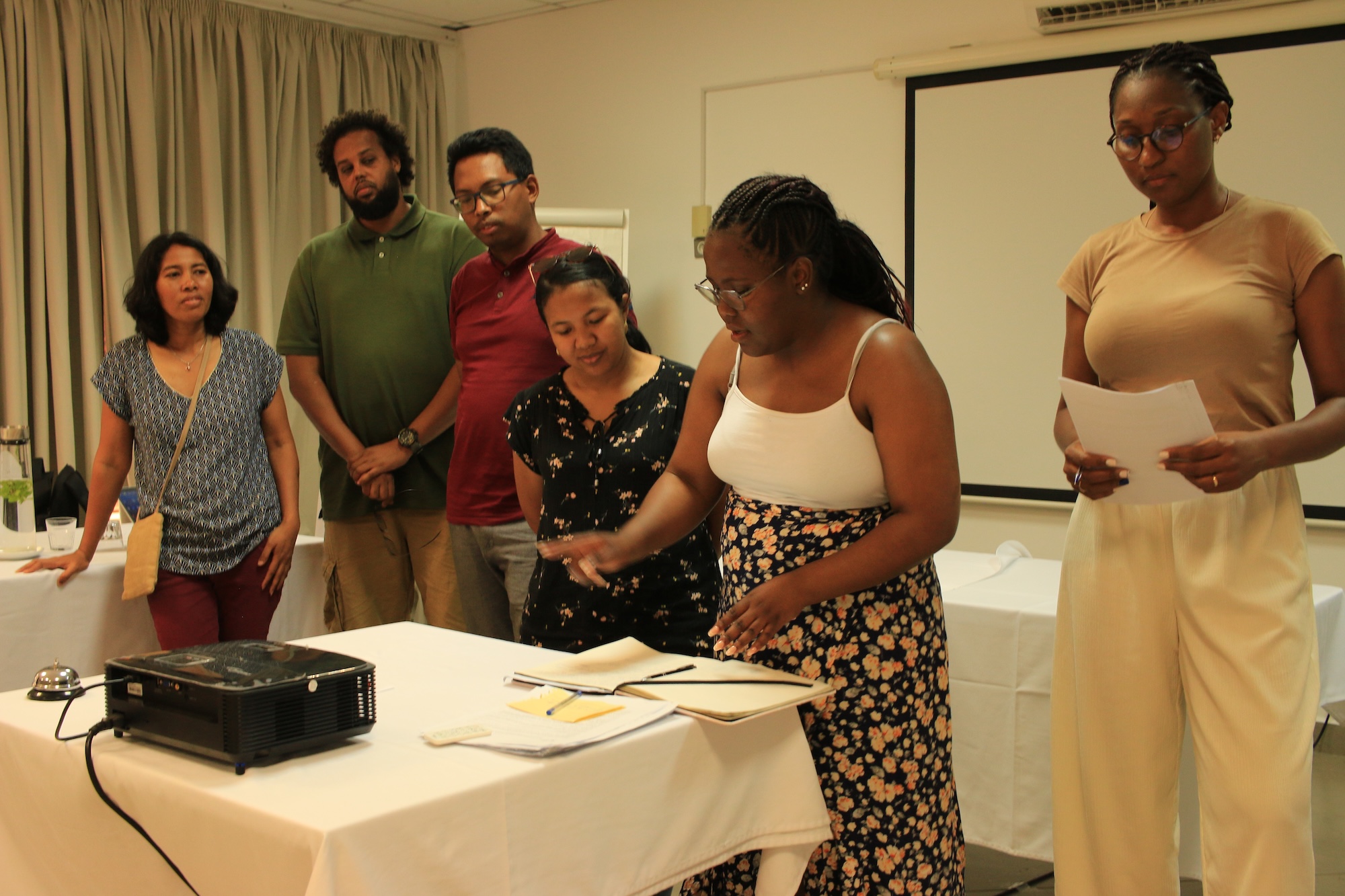
Credit: Twané Bester
|
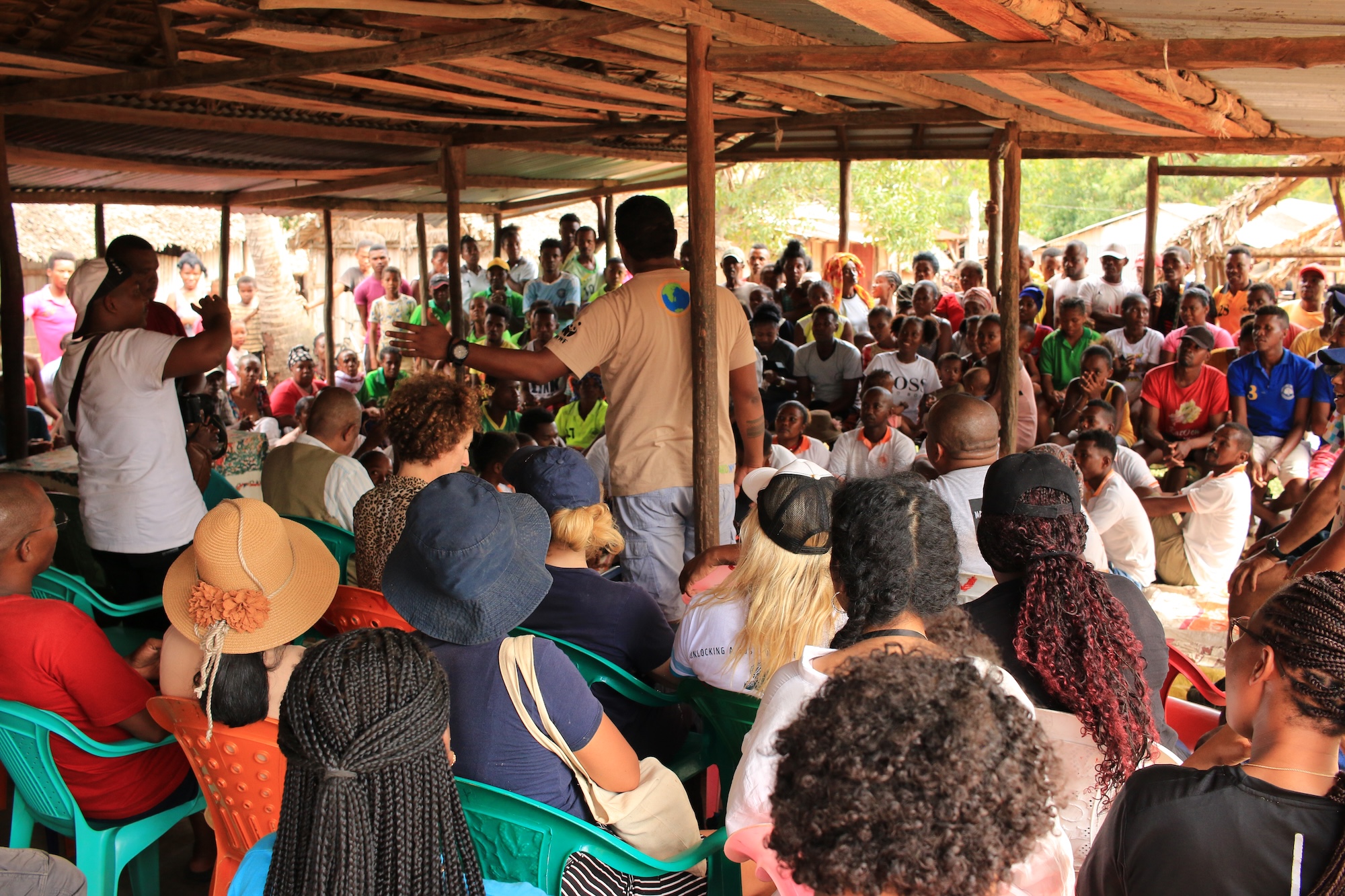 Credit: Twané Bester |
The WWF Africa Hub drives climate policy advocacy through strategic UNFCCC engagement and key climate events. At UNFCCC COPs, the Hub develops adaptation positions, organizes side events, and publishes policy briefs while actively participating in negotiations on National Adaptation Plans (NAP) and the Global Goal on Adaptation (GGA).
-
UNFCCC and CBD COP Achievements
-
At COP27 (2022), the Hub organized high-level events on NbS financing and youth-led climate action.
-
COP28 (2023) featured four side events highlighting nature's adaptation role, producing a video and policy brief on "Putting Nature-based Solutions Upfront for Climate Adaptation in Africa."
-
COP29 (2024) included four events addressing adaptation finance, NDC priorities, climate-biodiversity integration, and innovative financing for Protected and Conserved Areas (PCAs), alongside launching the policy brief "Enhancing Adaptation in NDCs: Analysis from 19 African Countries.
-
For COP30 (2025), the Hub participated in Africa CSOs convening in Nairobi, co-designing sessions on climate-biodiversity nexus and strengthening networks with African CSOs.
-
The Hub's first biodiversity COP engagement at CBD COP16 (2024), co-organizing events on climate-resilient Protected and Conserved Areas (with APAD, IISD and RedParques representatives) and investing in Nature-based Solutions for transformative biodiversity and climate actions in Africa (with Blue Action Fund, Finland Government, IISD, WRI and WWF).
-
-
Other Key Engagements
-
The Africa Protected Area Congress (2022) saw the Hub leading the climate change theme and contributing to the Kigali Call to Action. At the APAD Conference (2024), the Hub delivered keynote addresses emphasizing PCAs' climate role and provided technical assistance for implementing climate adaptation pillars.
-
At UNEA NbS Consultations (2023), the Hub co-developed WWF's position, incorporated into draft recommendations.
-
During Africa Climate Week (2023), it developed adaptation positions, published an article, and organized events on NbS for transformative adaptation. The Africa Climate Summit (2025) featured a Hub-hosted event (jointly with the Government of Kenya, Mozambique, and Uganda; SNV, UNEP, WRI, Youth organizations) and WWF highlighting Africa's $48 billion adaptation finance gap and NbS potential, calling for mainstreaming NbS into national planning.
-
In 2025, the Hub participated for the first time at NAP Expo in Zambia to enhance WWF's contribution to NAP processes across Africa by strengthening its technical assistance role and advocating for the integration of NbS. The Hub also organized a mini-symposium WIOMSA 2025, jointly with CORDIO, GERICS, Blue Action Fund, MIHARI Network, IUCN and WWF, on climate impacts and transformative adaptation solutions for SWIO coastal communities, reflecting on effective solutions at local, national, and regional levels.
-
|
|
|
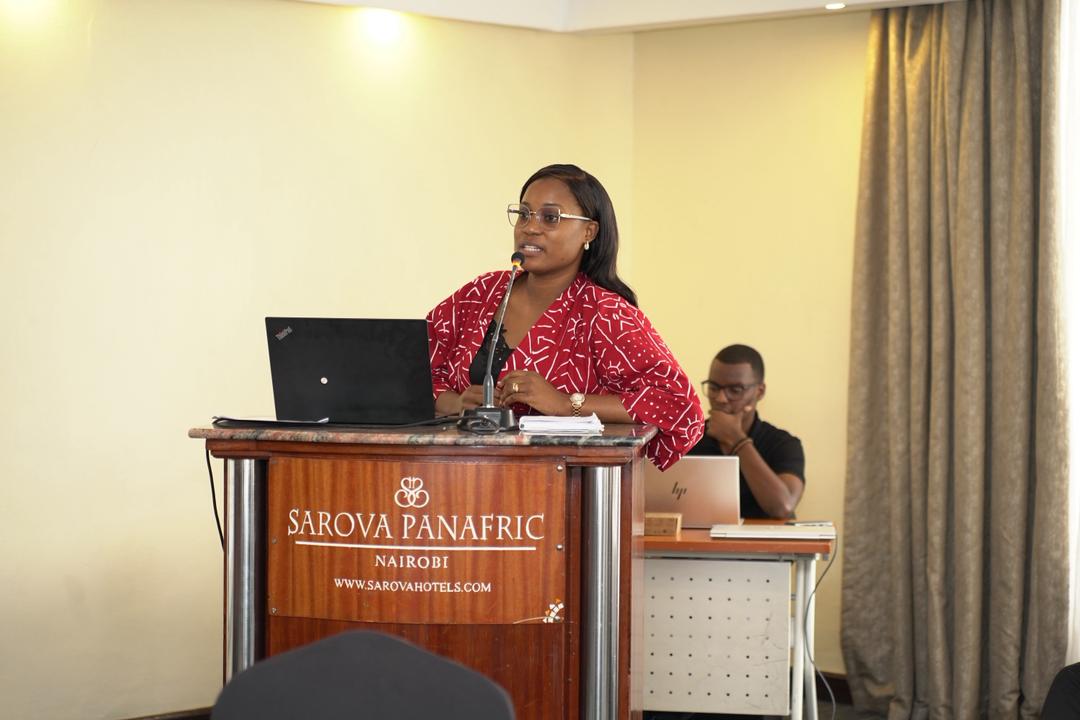
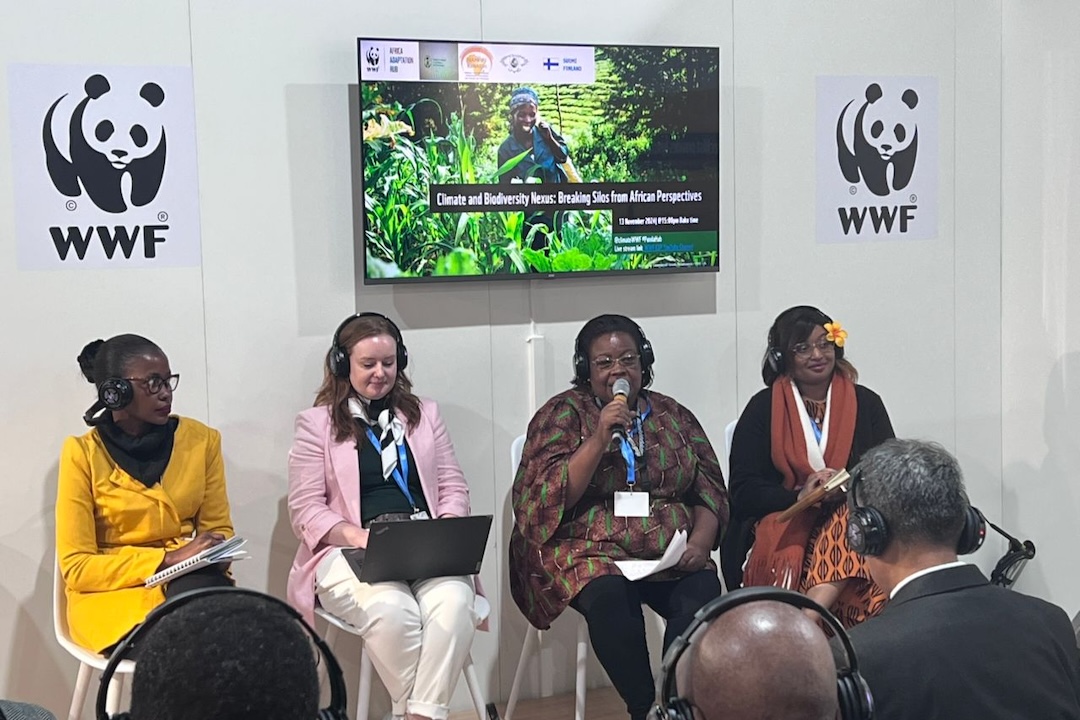
The Hub advances climate adaptation across Africa through strategic collaborations with regional and global partners, mobilizing resources and providing technical expertise to implement transformative Nature-based Solutions (NbS) for adaptation at scale.
-
Strategic partnerships
-
WWF-IFRC Partnership: Led by the Climate and Energy Practice with AAH contribution as implementing partner at Africa level.
-
African Wildlife Foundation (AWF): Jointly driving the Protected Areas and Climate Change agenda at the Africa level. Co-hosted high-level side events at the 2023 ACW, UNFCCC COP 28 & COP29 and CBD COP 16 on the role of Protected and Conserved Areas for climate change adaptation in Africa”.
-
UNFCCC Regional Collaboration Centre for West and Central Africa: Collaboration on youth engagement via the Youth Climate Action Webinar Series, and ongoing collaboration on National Adaptation Plans (NAPs).
-
International Labor Organization (ILO): Participated in the ILO-led Knowledge Sharing Forum as a partner organisation, contributing to discussions on “The Role of Youth in the Blue Economy in Small Island Developing States in Africa.”
-
Fostering Youth Engagement: The Hub strengthened its collaboration with Young Volunteers for the Environment and Resilient 40 Africa, supporting their participation in the APAD 2024 Conference, and enabling them to contribute meaningfully to discussions on enhancing youth engagement in Protected and Conserved Areas in Africa.
-
-
Resource mobilization and regional technical support for implementation
-
The Ministry of Foreign Affairs of Finland (MFA) Programme: The AAH is implementing the regional adaptation pillar of the Resilience for People & Biodiversity programme, funded by the Ministry of Foreign Affairs of Finland (2022-2025).
-
Blue Action Fund (BAF): Supported the development and implementation of an Ecosystem-based Adaptation project, currently implemented in Madagascar with scaling up of learning and best practices in the WIO region.
-
NORAD Mangrove Project: Providing regional technical support to the implementation of the SWIO "Mangroves Management for Climate Risk Resilience and Improved Livelihoods" project.
-
Climate Adaptation and Protected Areas (CAPA) Initiative: Provided regional technical support on adaptation and NbS to the CAPA Initiative in KAZA and GVL landscapes during the starting phase of the project. The Hub coordinated an integrated climate risk, ecosystem, gender equality, and conflict assessment, and supported the training of protected area managers on conflict-sensitive and gender-responsive NbS for adaptation.
-
-
Reach & Impact:
-
Over 20 side events organized across UNFCCC COPs (27, 28, 29), CBD COP 16, Africa Climate Week & Africa Climate Summit (2023 & 2025), APAC, and WIOMSA 2025.
-
First biodiversity COP engagement (CBD COP16, 2024)
-
Over 400 people capacitated (CSOs, Government representatives and WWF)
-
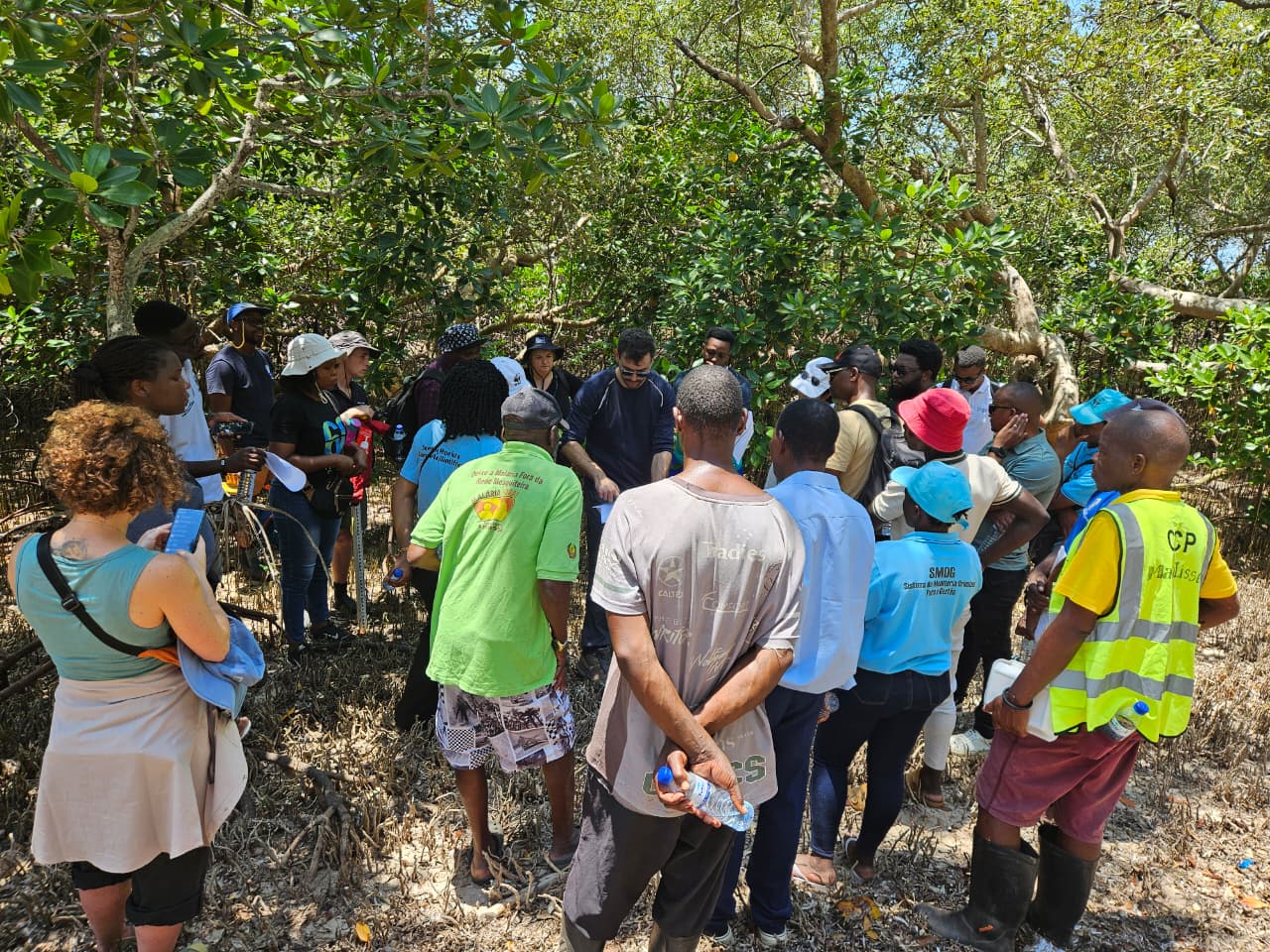
Credit: Helder Chamba, WWF-Mozambique
|
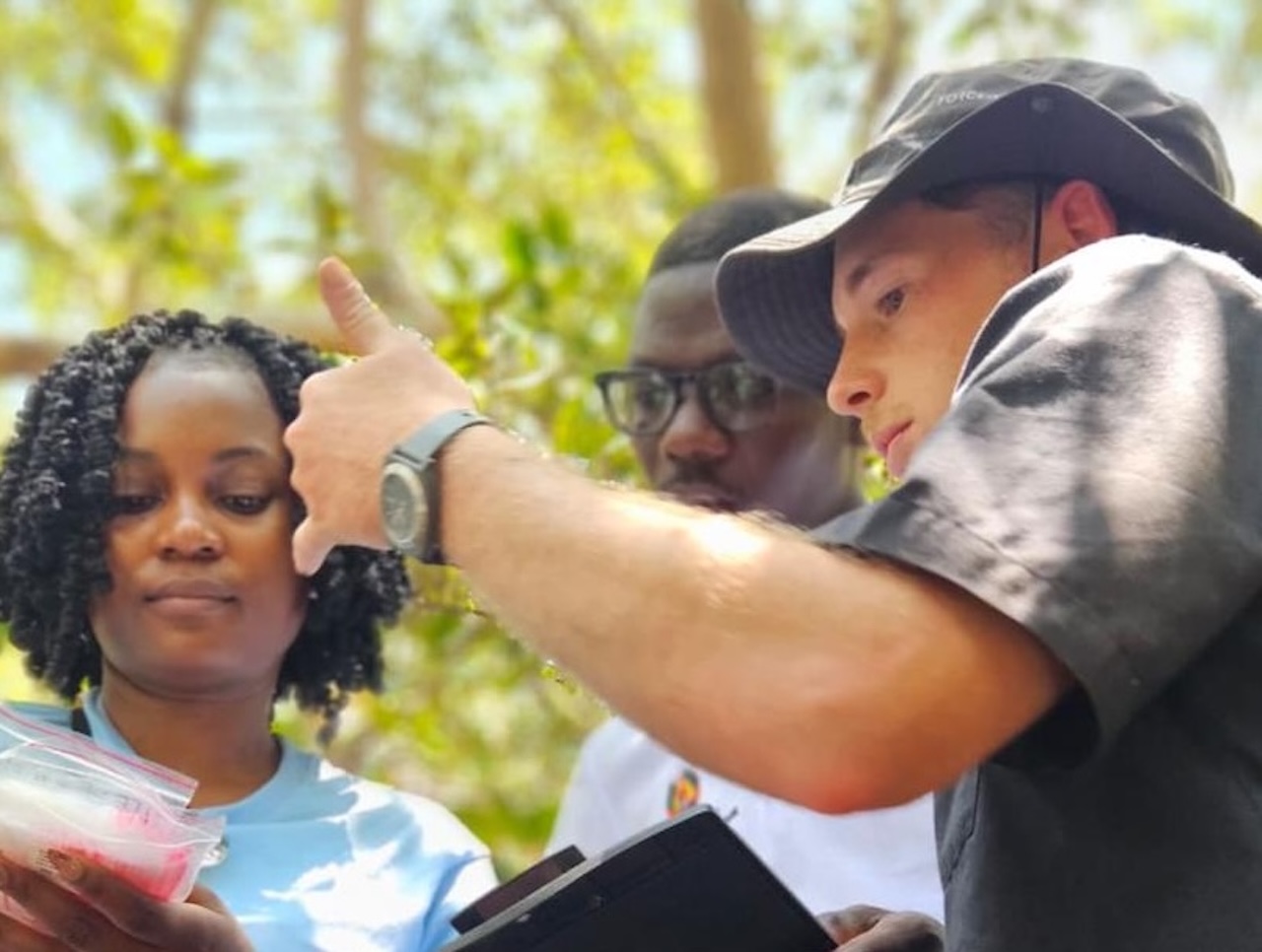 Credit: Helder Chamba, WWF-Mozambique |
Evidence & Tools:
-
Coastal community vulnerability assessment to climate change in the SWIO region, and the role of mangroves as nature-based solutions
-
Vulnerability of 263 Protected and Conserved Areas to Climate Change across Sub-Saharan Africa
-
Enhancing Adaptation in NDCs: Analysis from 19 African Countries (2024)
-
Coastal community vulnerability assessment to climate change in the SWIO region, and the role of mangroves as nature-based solutions
Newsletters: